Business Workflows
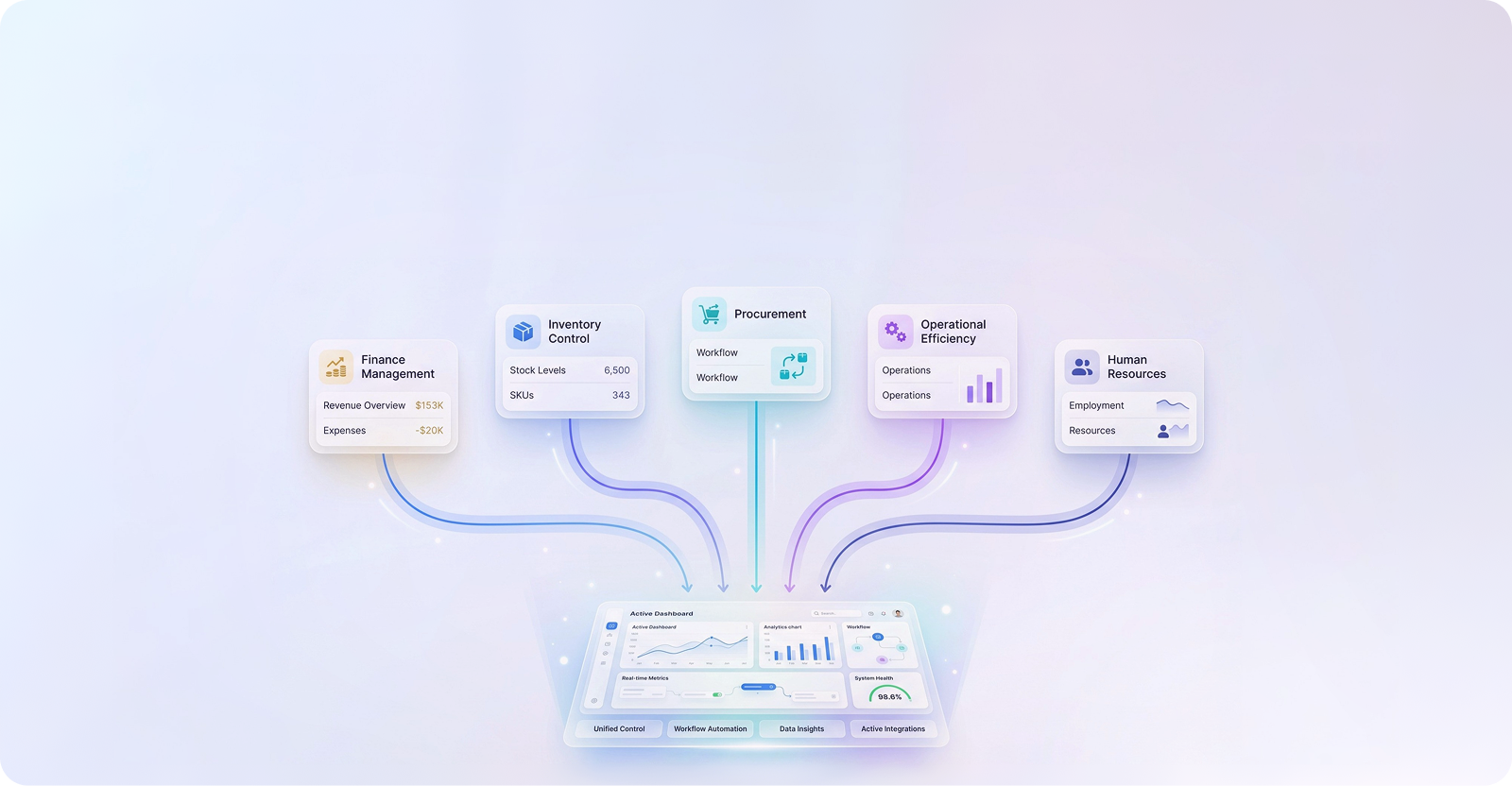
Unify finance, inventory, procurement and HR into one configurable system that scales as your business grows.

Trusted by Enterprises worldwide




















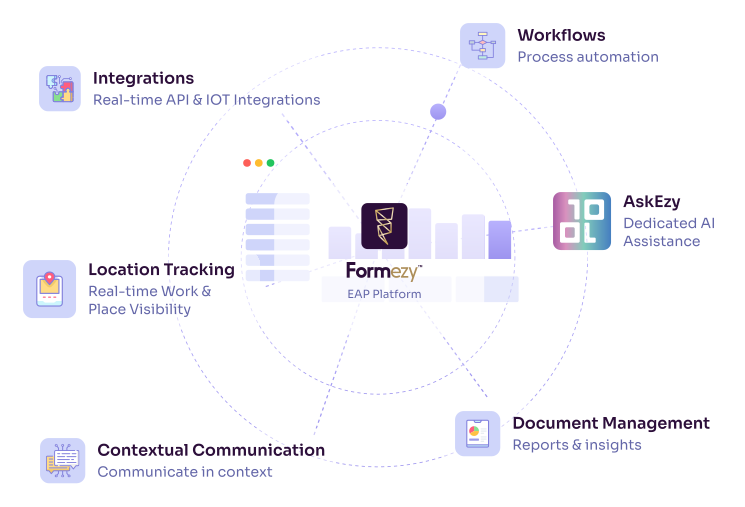
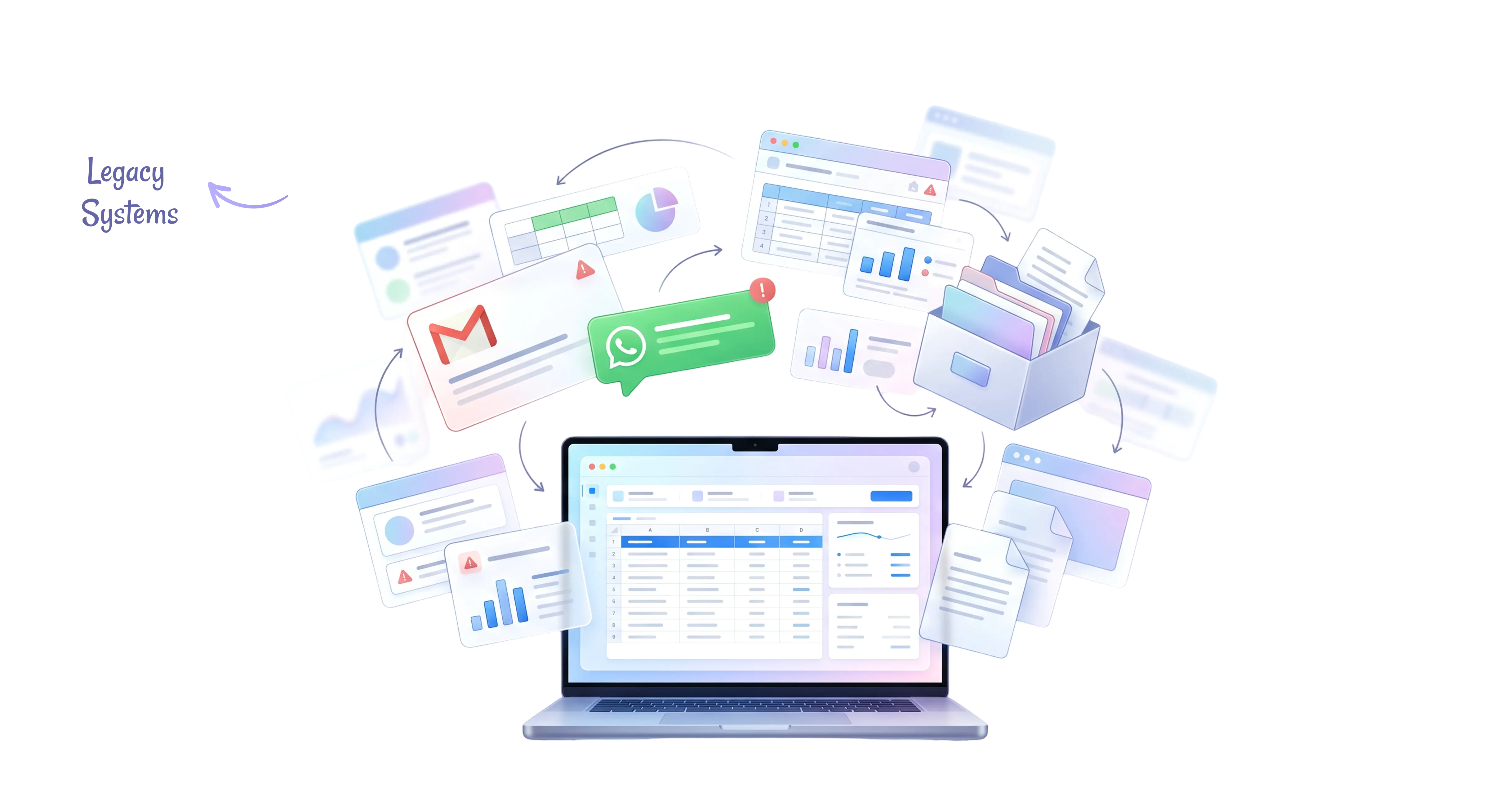
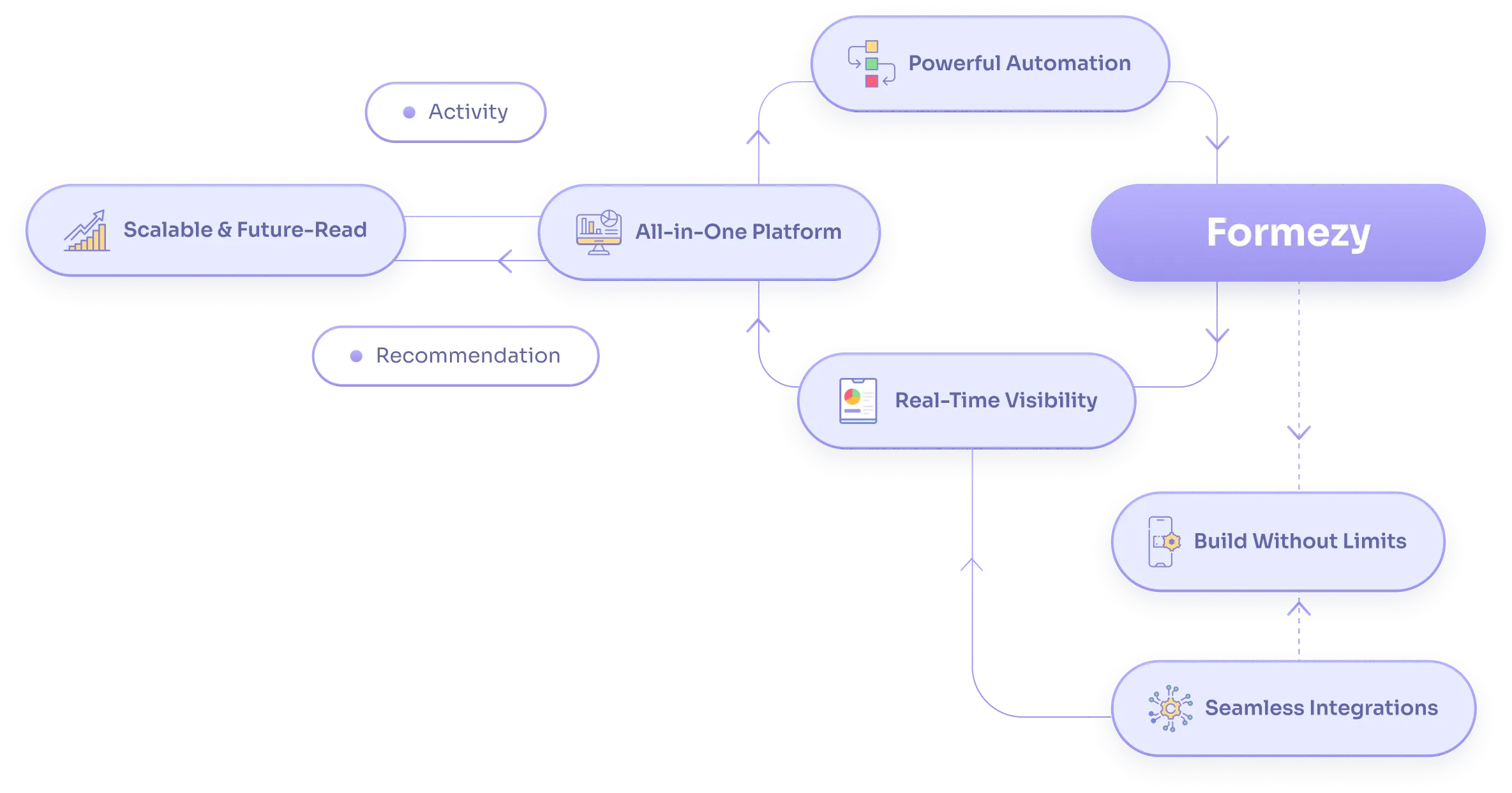
Formezy is an Enterprise Application Platform that transforms disconnected tools into a unified, intelligent system. Instead of relying on spreadsheets, multiple software, and manual processes, Formezy enables businesses to build fully integrated ERP, CRM, and workflow systems—designed around how their operations actually work.
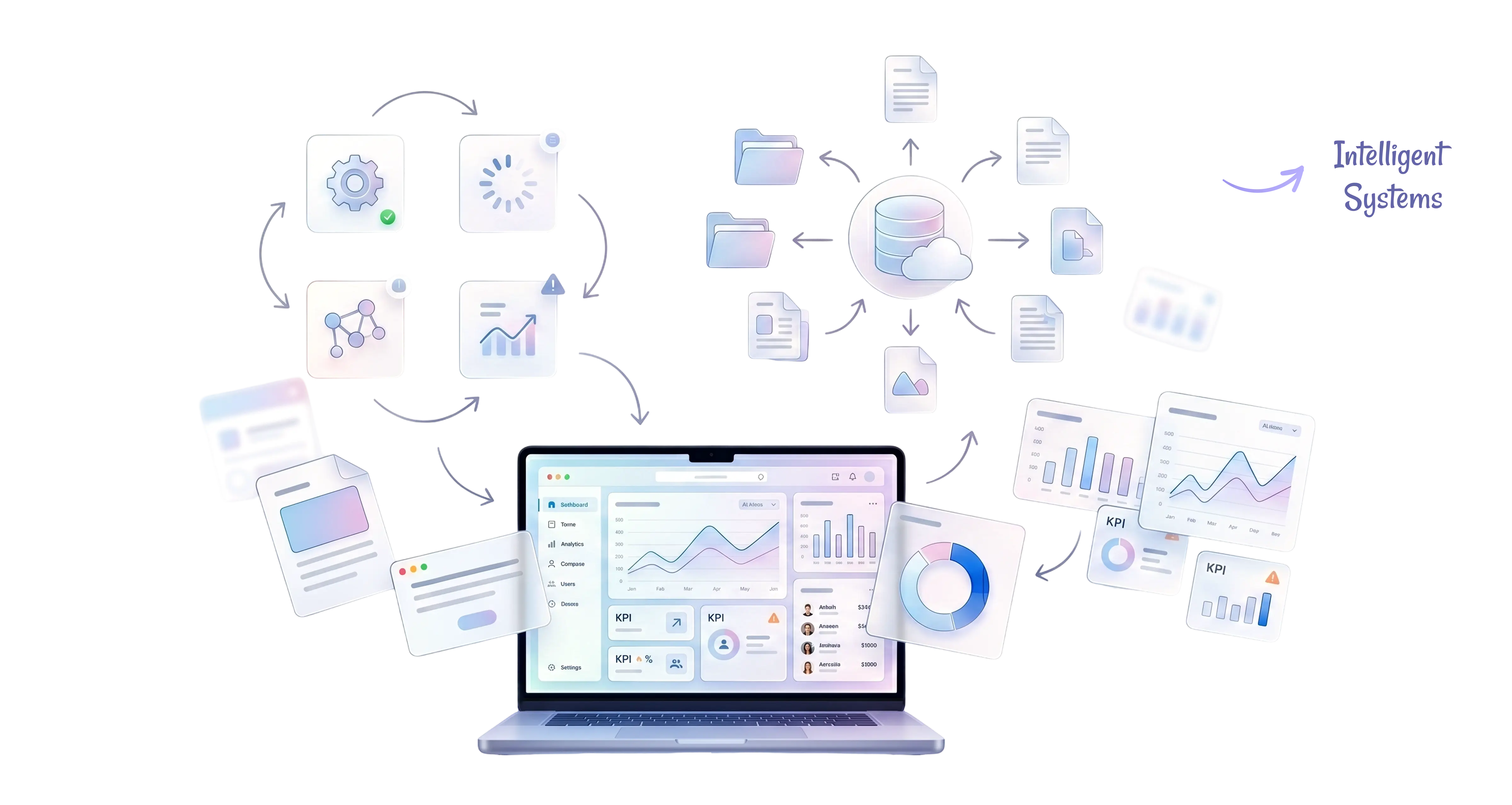
Start from a template, or compose from modules — Formezy flexes to match how your business actually works.
Unify finance, inventory, procurement and HR into one configurable system that scales as your business grows.
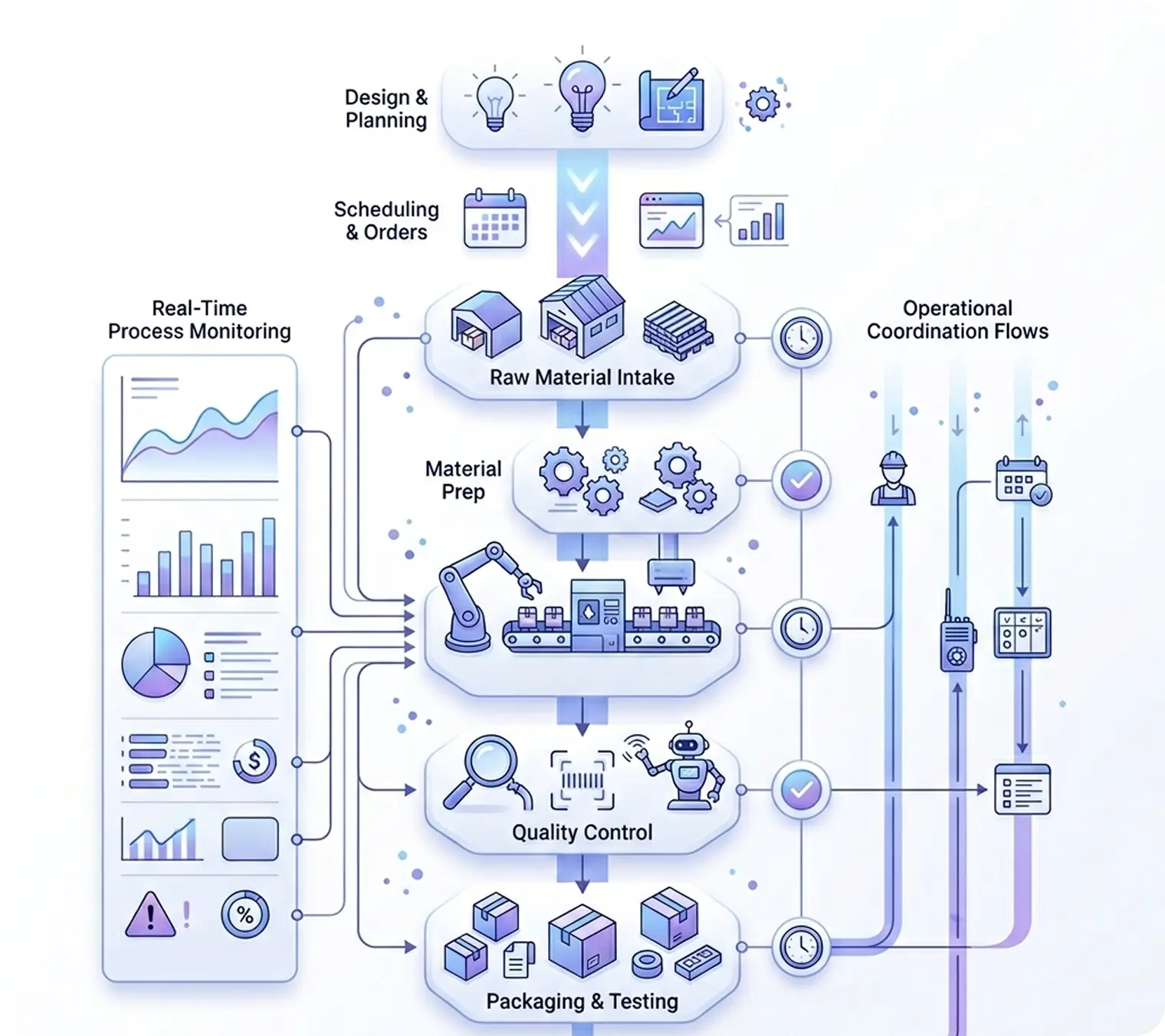
Manage production workflows, execution tracking, and operational coordination across your manufacturing processes.
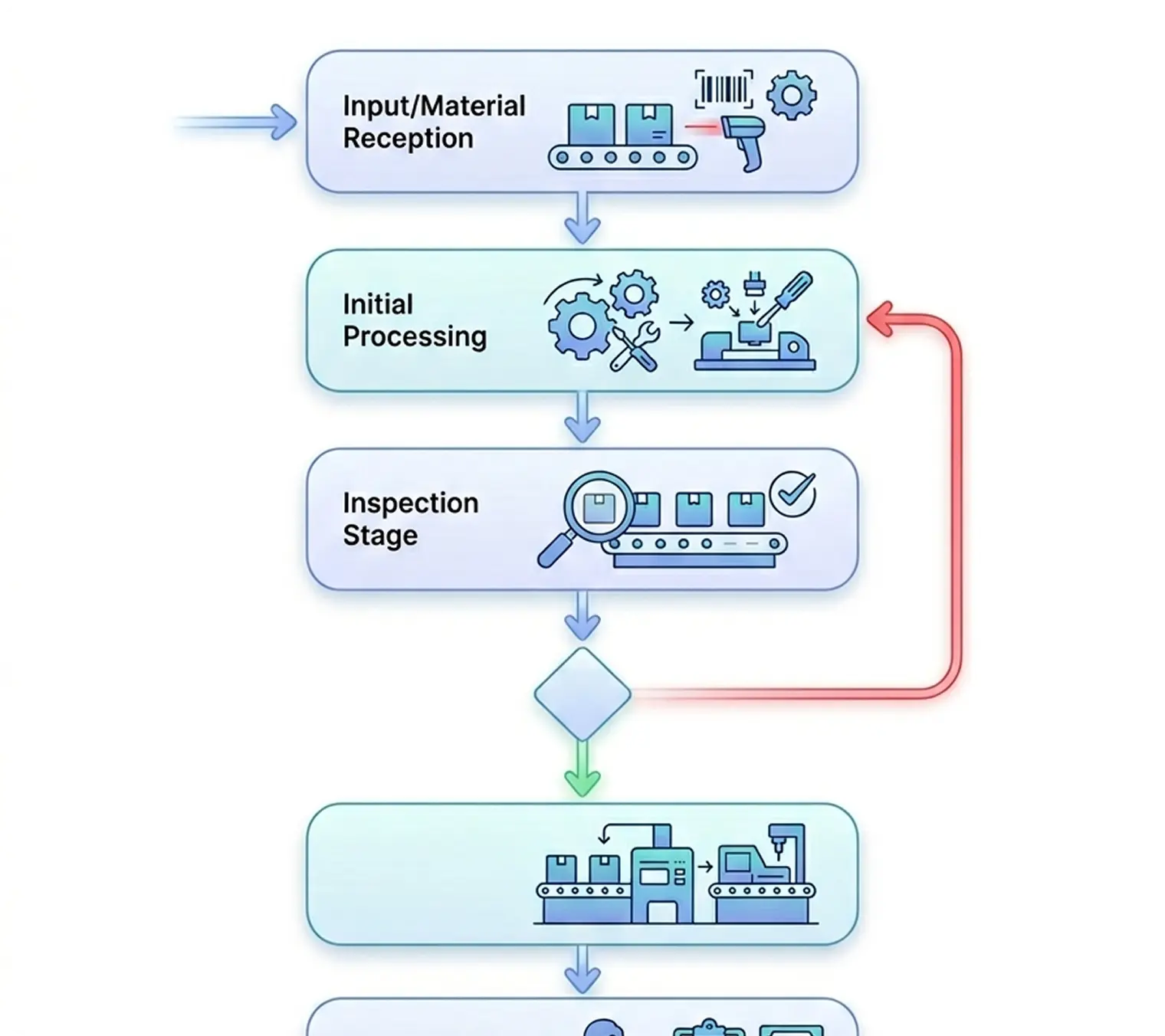
Standardize inspections, approvals, and quality workflows with real-time tracking and complete process visibility.
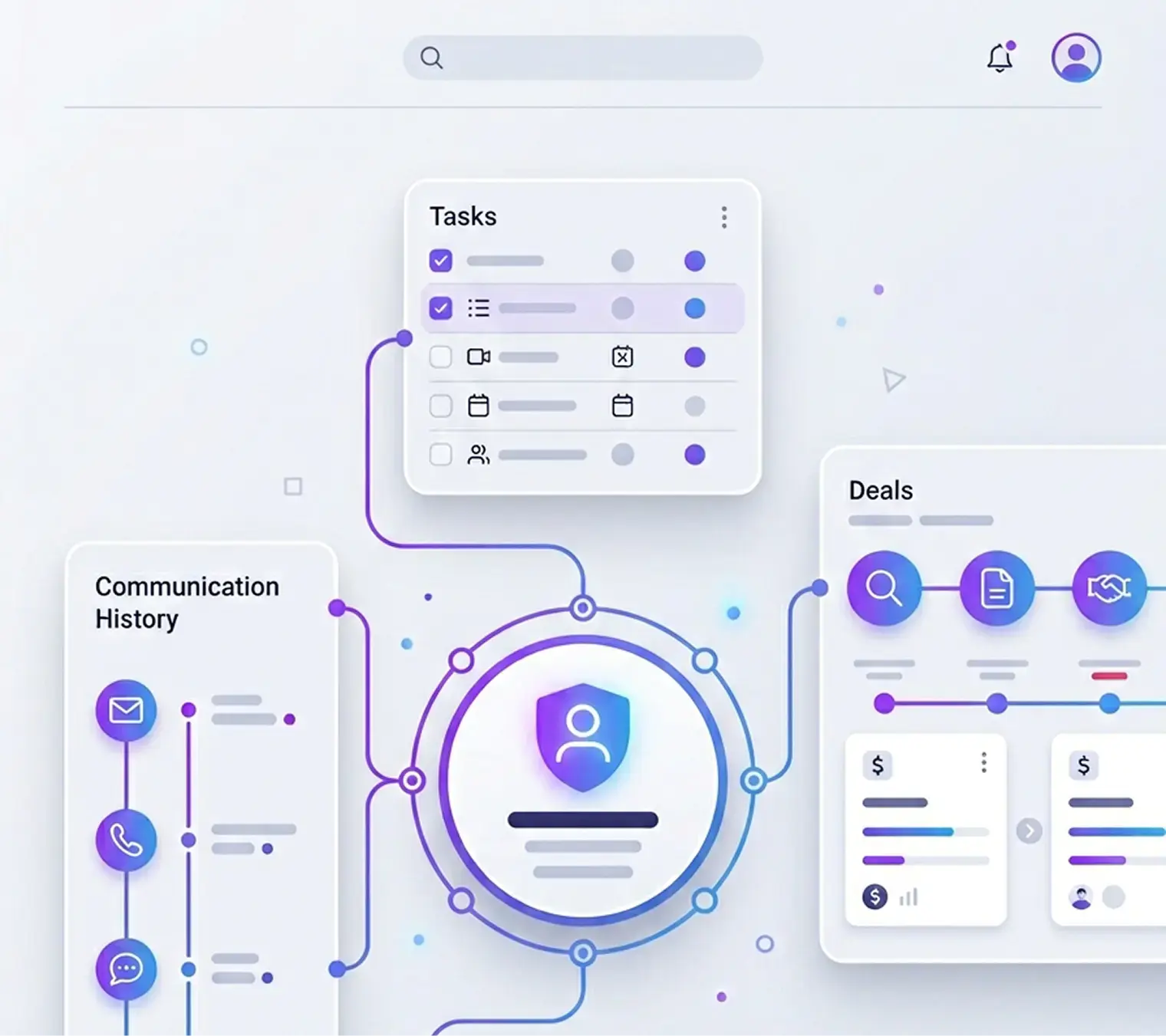
Manage the full customer lifecycle — from lead to renewal — on one unified timeline with complete visibility.
Track vendors, shipments and inventory in a single connected workflow with real-time alerts and SLA controls.
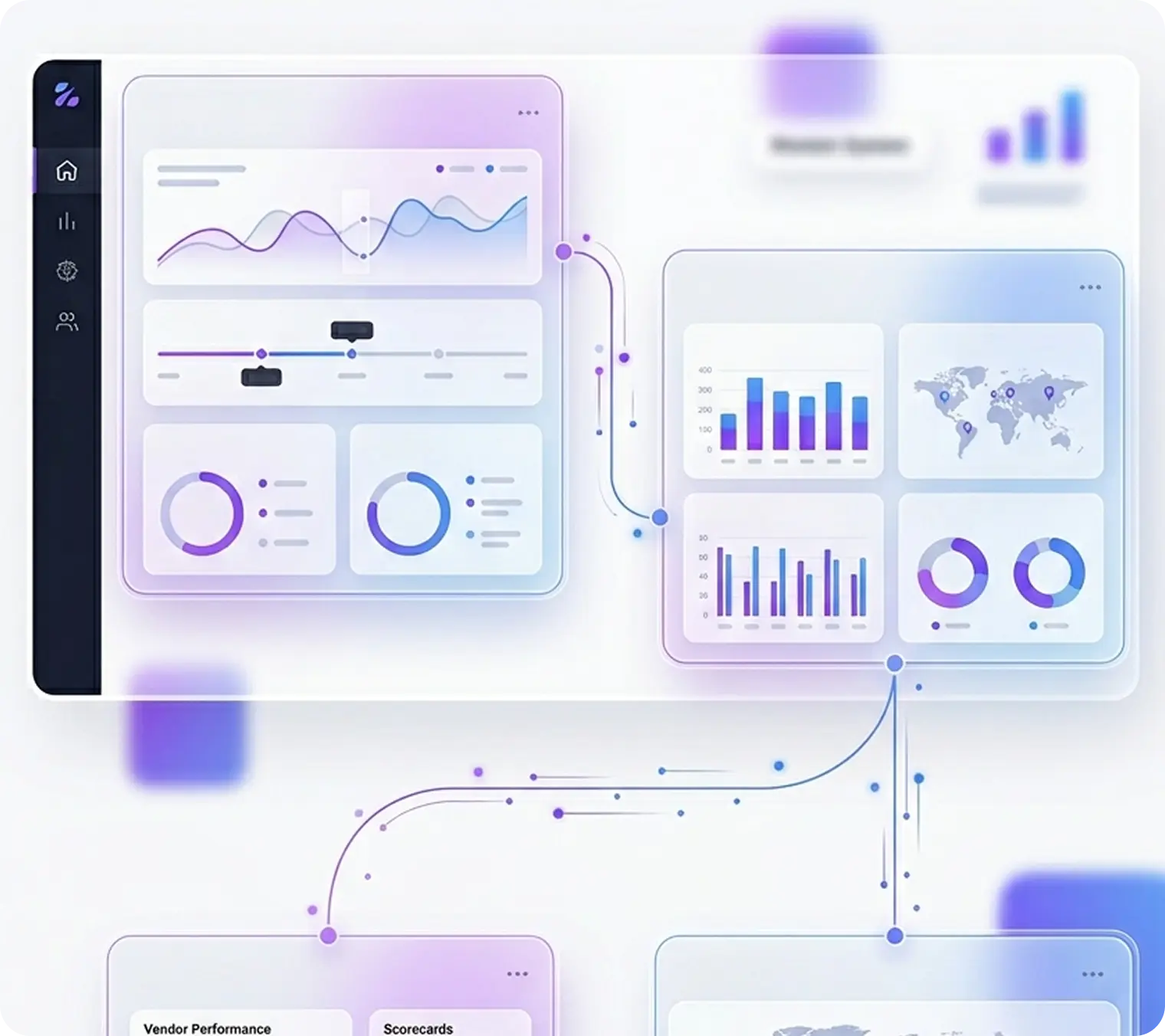
Coordinate people, tasks, assets and projects across locations with full operational control and clarity.
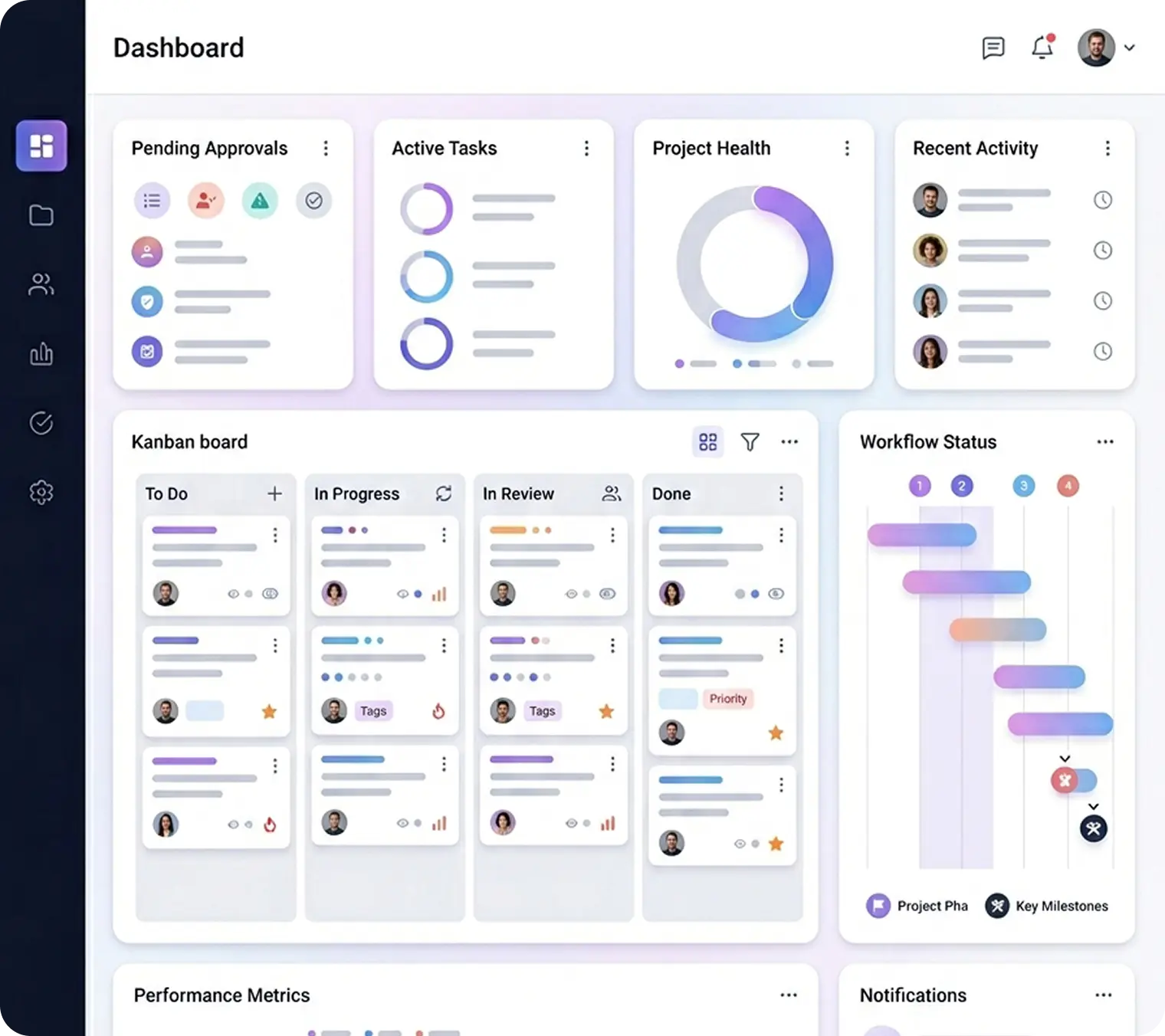
Streamline onboarding, leave management, performance reviews and payroll processes in a single platform.
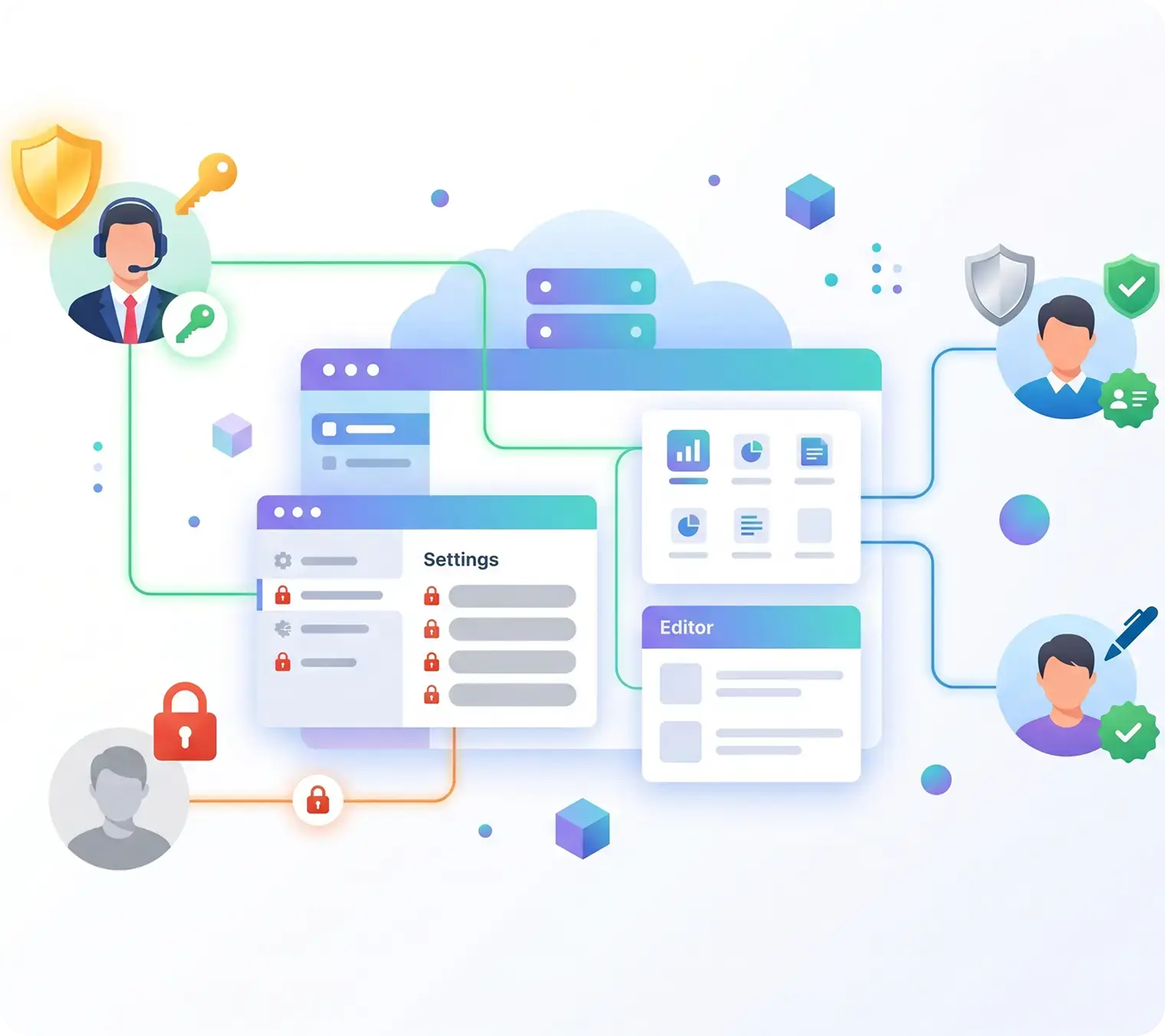
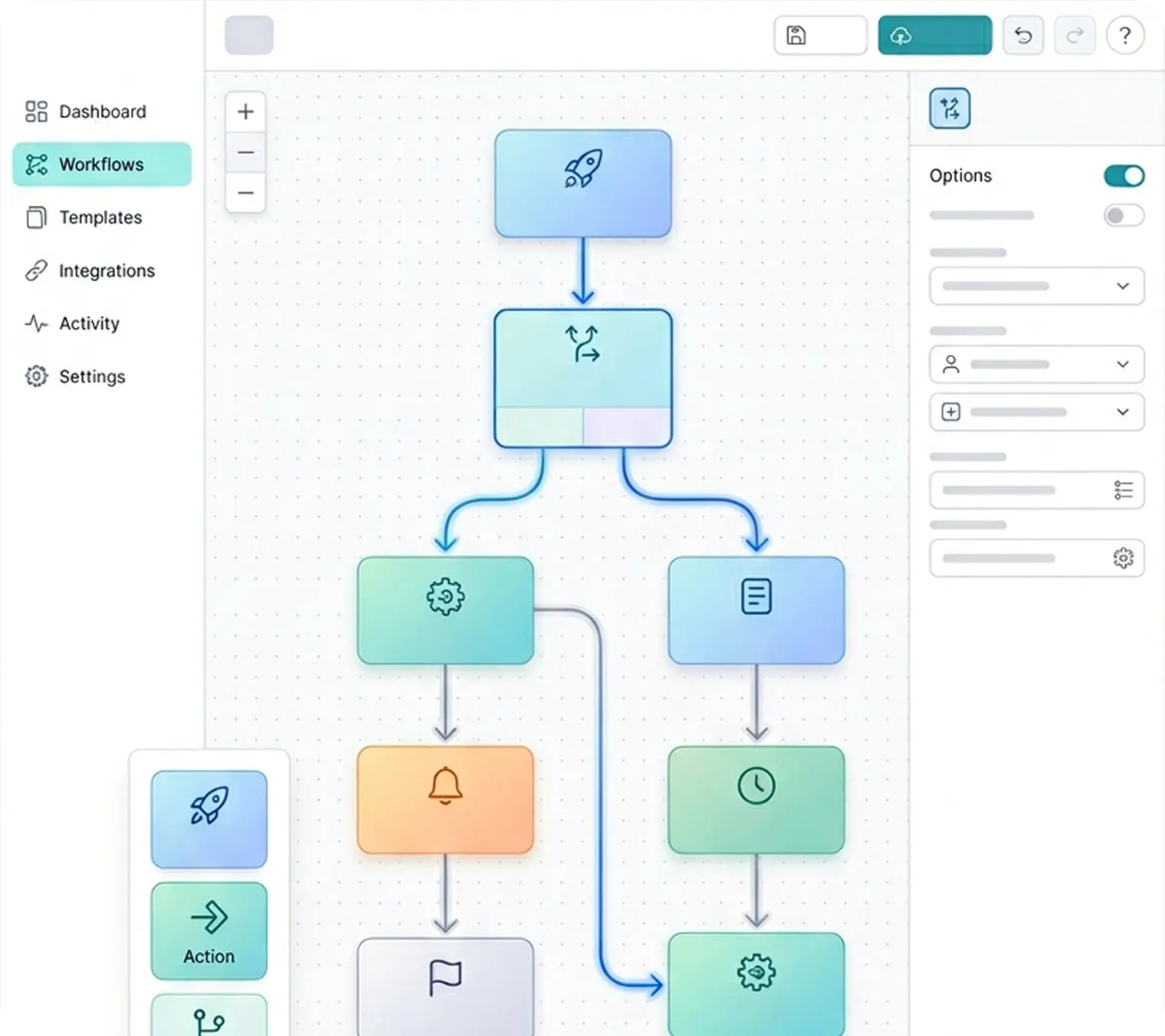
Automate approvals, budget tracking and audit-ready reporting across all your financial workflows.
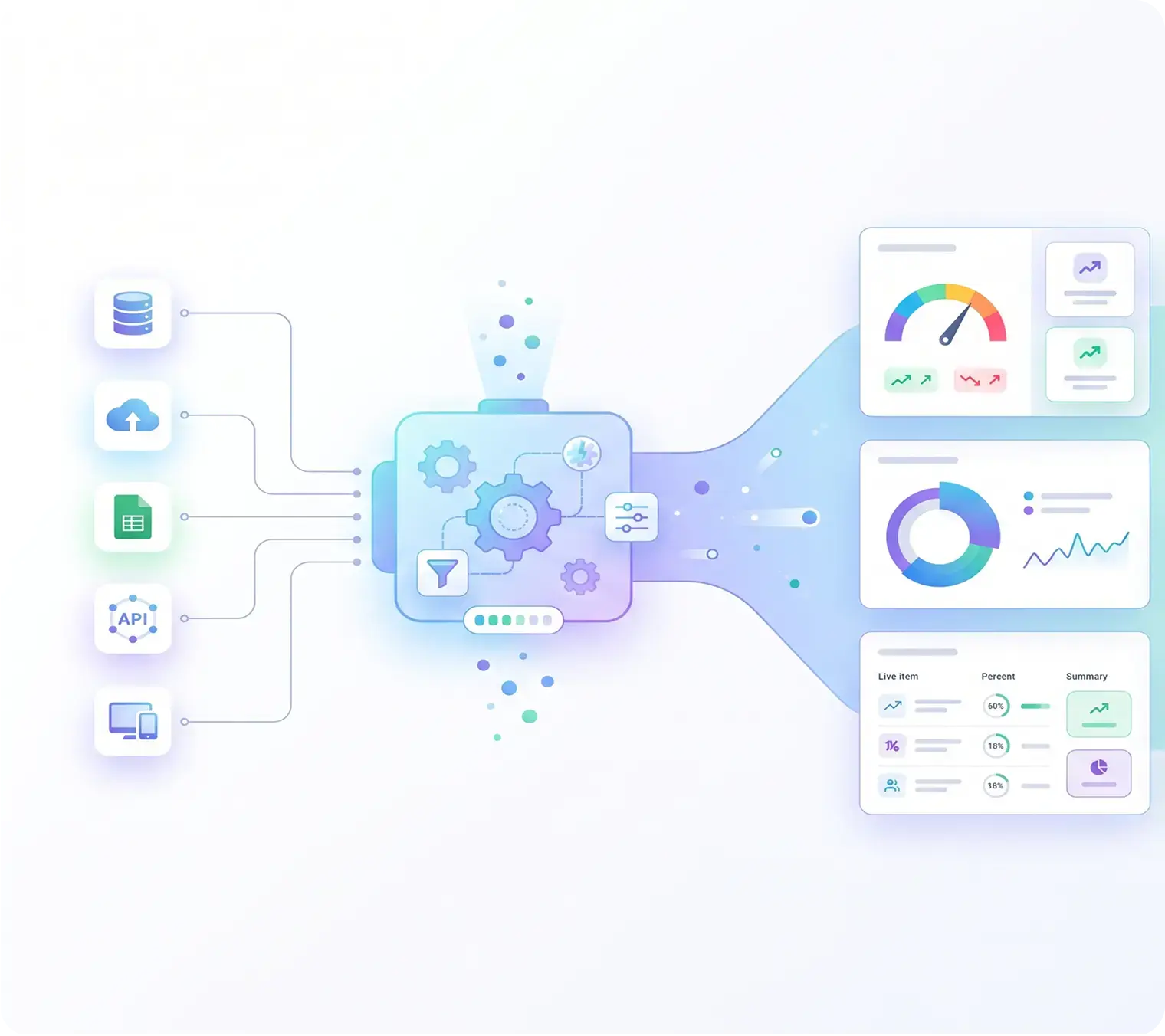
Formezy combines flexibility, automation, and scalability to help businesses build and manage systems that truly match their operations.
AskEzy lets you interact with your business without navigating multiple systems.
AskEzy is built into Formezy so teams can query live data, surface what needs attention, and act faster — without switching tools or digging through disconnected reports.
Confused ?? Just Askezy !
A powerful set of capabilities designed to help you build, automate, and scale business systems—without complexity.
Design and build business applications visually using drag-and-drop components, without relying on complex coding.

Empowering diverse industries with tailored systems designed to match their unique workflows, operations, and business challenges.
Businesses across industries use Formezy to turn operational complexity into clarity.

“Formezy transformed how our plants operate. Real-time visibility, faster approvals, zero dependency on spreadsheets - it's the one system our entire operations team actually trusts and uses daily.”
Design ERP-grade systems tailored to your business workflows, approvals, and operational structure— without the limitations of traditional software.
Connect Formezy With Your Existing Systems



Access workflows, approvals, tasks, updates, and business operations from anywhere with Formezy Mobile Access. Stay connected to your systems in real time, whether on the shopfloor, on-site, or on the move.
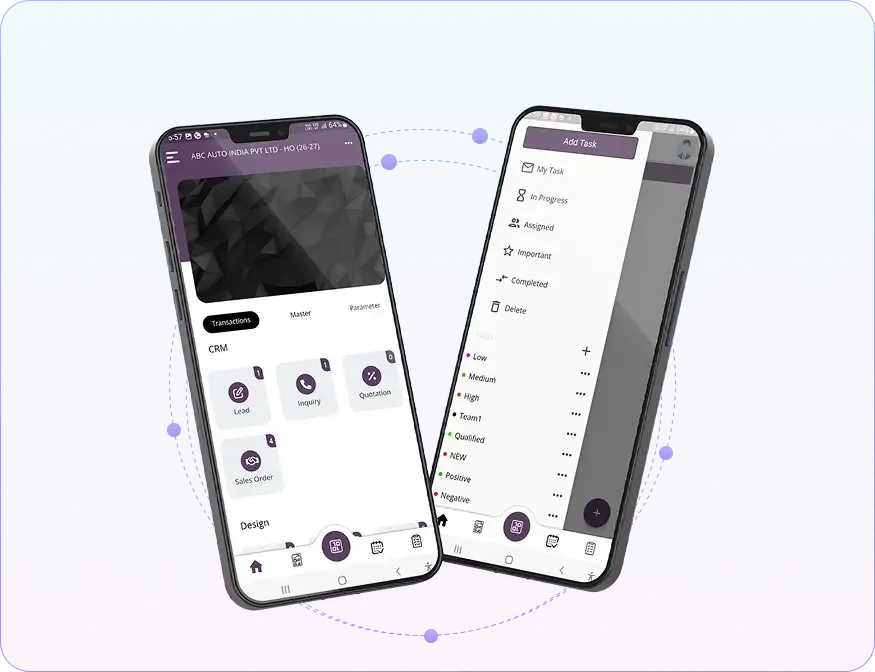
Formezy Mobile Access ensures your teams stay productive, informed, and connected — no matter where operations happen.
Stay connected without depending on desktop systems
Operate Anywhere. Respond Faster.