
Loading
Loading
Nullam dignissim, ante scelerisque the is euismod fermentum odio sem semper the is erat, a feugiat leo urna eget eros. Duis Aenean a imperdiet risus.
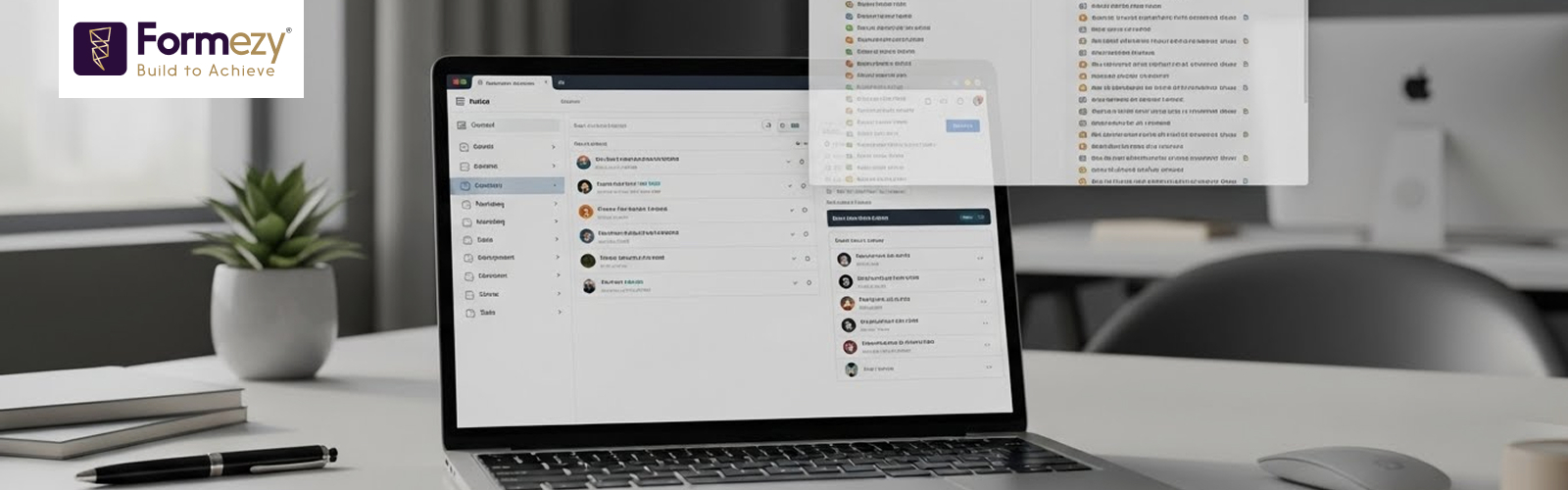
Email has served as the primary medium for workplace communications for many years. But as an organization expands, and the need for collaboration increases, inboxes have been transformed into veritable land mines of unread threads, CCs, and forgotten follow ups. These challenges manifest as lost hours, incomplete tasks, and a deluge of communication that can lead to a decrease in daily productivity.
It is this hint of a challenge that has made smart communication channels the replacement of choice for cluttered email systems and digital communication. These channels are generally designed to streamline communication, and even integrate with the workflows of a group, to lessen reliance on fragmented, antiquated email systems so that teams can collaborate faster, smarter, and with more clarity.
The Problem with Email: Why Businesses Need a Change
Email was never designed to accommodate the fast-paced communication styles of today's businesses. What used to be an easy and convenient communication tool has become a challenge to currents, especially among larger teams, juggling multiple projects and clients.
Some of the most common pain points caused by email are:
In an endless thread with unclear action or ownership, statements and questions can get lost after following another subject.
Messages being missed or buried under automated notifications, but even teams that are more closely collaborating will miss messages.
No real-time collaboration. Even having instant messenger requires switching to a different program or application.
Difficult to monitor the progress or decision-making process.
According to industry research, employees spend over 25% of their workweek managing emails. That's hours of lost productivity that could be spent creating something new, building strategy, or serving clients. This is where smart communication platforms come into play; they replace email inefficiency with real-time collaboration and structured communication processes to create a new way of working.
What Are Smart Communication Channels?
Smart communication channels are modern, centralized systems that combine messaging, collaboration, and automation into a single platform. They go beyond basic chatting, offering contextual communication, task management, file sharing, and integrations with existing business tools.
These platforms, like Slack, Microsoft Teams, or enterprise workflow solutions like Formezy, allow teams to organize conversations by projects, departments, or topics. This ensures discussions remain focused, actionable, and easy to retrieve when needed.
Unlike email, where context gets lost across threads, smart communication systems maintain a structured, searchable record of every exchange, decision, and document.
How Smart Communication Channels Eliminate Email Chaos
Let’s look at how these platforms transform workplace communication and eliminate inbox overload:
1. Collaboration in Real-Time
Email is slow, everything needs to be phrased, sent and waiting.
Smart communication tools allow for instant and real-time conversations, one-on-one or in team settings. This eliminates waiting, alleviates back and forth waiting, and speeds up the decision-making process.
2. Organized and Contextual Conversations
Rather than searching through dozens of email threads, communication apps allow teams to organize discussions by project, department, or simply by topic. This context-specific organization is important so messages don't get missed, and employees can access information quickly.
3. Integrated File Sharing and Document Management
Smart platforms include document sharing without the hassle of endless attachments or old versions. Files are shared in chats or threads that foster collaboration within teams, without second- guessing. Access into previous versions of documents is merged with permissions.
4. Workflow Integration
The modern business communication tools integrate with CRMs, project management systems, HR platforms, and automation tools, allowing teams to complete actions directly from their communication window.
For example, Formezy’s workflow automation and communication features allow users to assign tasks, track progress, and approve documents, all within one interface.
5. Reduced Email Dependency
With structured messaging, integrated workflows, and centralized collaboration, employees can handle most of their communication without opening their inbox.
This reduces daily email volume by up to 60%, freeing teams from endless email loops.
6. Enhanced Visibility and Accountability
Email often hides information in private inboxes, leading to miscommunication or duplication of efforts.
Smart communication platforms create transparent channels where everyone involved has visibility, ensuring accountability and faster alignment.
The Benefits of Smart Communication Platforms
The transition from conventional email to modern communication systems has a number of clear advantages:
Once you organize communication, it flows seamlessly - tasks are completed more quickly, teams work together more effectively, and operations run more efficiently.
Smart Communication and Workflow Automation: A Powerful Combination
The true power of intelligent communication channels is how they merge with workflow automation.
By combining communication with automation, businesses can initiate actions, set reminders, or produce updates on a routine basis. Here are some examples:
A post in a team channel can create a project tracker task automatically.
Approval requests can trigger instant notifications to managers.
Reports and analytics can be automatically shared according to a set schedule.
This dual benefit of communication and automation, ensures work is not only being talked about, it is actually being done.
Real-World Impact: How Businesses Benefit
Organizations that implement team communication platforms will often reduce email volume and timelines to complete projects. Teams become more agile, leaders have more transparency, and communication silos are broken down.
Additionally, team communication platforms provide larger organizations, especially when managing remote and/or hybrid teams, with the ideal mix of control and flexibility, creating consistency for collaboration across departments and regions.
In other words, smart communication platforms are designed to help organizations eliminate conversations scattered among several platforms and enable purposeful collaboration, which can increase both speed and accuracy.
How to Transition from Email to Smart Communication Channels
Introducing new communication technology should be a formalized process. Here is a checklist of best practices for a smooth transition:
For organizations, companies like Formezy, are pushing communications consolidation, workflow automation, and all with improved visibility without yet more emails.
The Future of Workplace Communication
The contemporary work environment is changing to a simplified, technology-enabled collaboration framework.
Intelligent forms of communication are not simply another alternative to email, they are the foundation for the next phase of enterprise productivity.
As organizations move into the era of digital transformation - communication will always remain at the centre.
The organizations that proactively adopt intelligent, integrated platforms today, will be the organizations that lead the way tomorrow, with speed, agility, and clarity.